Scuba Diving in Larnaca, Cyprus –
Zenobia Wreck & Dive Centres
Scuba diving in Larnaca, Cyprus is internationally recognised for one defining reason: the MS Zenobia wreck dive, ranked among the top wreck dives worldwide. Excellent visibility, calm Mediterranean conditions and varied depth profiles make Larnaca suitable for both recreational and technical divers. The Zenobia wreck dive alone draws thousands of divers each year from across Europe, but diving in Larnaca extends well beyond this single site. Artificial reefs, natural rocky formations and accessible shore dives round out a complete destination for all certification levels. With a well-established network of dive centres in Larnaca, organising guided dives, equipment rental and certification courses is straightforward.
Why Dive in Larnaca?
Popular Dive Sites in Larnaca
From the legendary Zenobia to accessible shore dives, Larnaca offers a complete range of dive experiences. View all Larnaca dive sites →
MS Zenobia
WreckWorld-class wreck dive
Elpida Wreck
WreckAccessible wreck for beginners
LEF1 Artificial Reef
ReefMarine life hotspot
Oroklini Reef
ReefShore dive, turtle encounters
Marine Life in Larnaca
The Zenobia wreck dive has become an artificial reef of extraordinary biodiversity. Large schools of barracuda are the signature sight — sometimes numbering in the hundreds — circling the hull in tight formations. Groupers have colonised every crevice, growing to impressive sizes in the protected environment.
Lionfish, now established in the Mediterranean, are a common sighting on both the wreck and surrounding reefs. Green sea turtles are regularly encountered on shallower reef dives around Larnaca, particularly at Oroklini. Moray eels, octopus, cuttlefish and a wide variety of Mediterranean reef fish complete the picture.
Diving Conditions in Larnaca
Larnaca's sheltered eastern coastline delivers calm sea conditions for most of the year. Prevailing winds from the west and southwest leave the eastern bay naturally protected, and sea state is rarely a limiting factor for diving.
Visibility at the Zenobia wreck dive averages 20–30 metres and frequently reaches 35 metres in summer. A mild thermocline can develop at depth, with surface temperatures of 26–28°C dropping to around 22°C below 20 metres.
Currents are generally mild across most Larnaca dive sites, though localised current can occur around the Zenobia wreck structure. Overall, Larnaca is one of the most consistent and reliable diving destinations in Cyprus throughout the year.
Who Is Larnaca Diving Best For?
Beginner Divers
Open Water certified divers can access the upper sections of the Zenobia and multiple shallow reef sites. Larnaca's calm conditions and professional dive centres in Larnaca make it an excellent place to build confidence after certification.
Wreck Enthusiasts
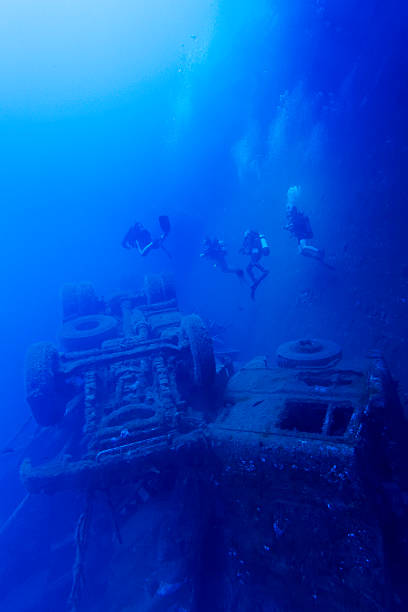
The Zenobia wreck dive is the undisputed highlight of diving in Cyprus. Advanced divers can penetrate the cargo holds, explore the truck decks and experience one of the most complete wreck diving environments in the Mediterranean.
Technical Divers
The deeper sections of the Zenobia at 42 metres and beyond require technical diving qualifications. Several dive centres in Larnaca offer technical diving support, gas fills and guided technical dives on the wreck.
Dive Centres in Larnaca
Larnaca has a well-established network of professional dive centres offering daily boat trips to the Zenobia, equipment rental, certification courses and technical diving support. Most centres are based at or near Larnaca Marina, providing easy access to the main dive sites.
View All Larnaca Dive Centres →